In the next publication of ENPA’s Tracing the Interdisciplinary Blog Series, Anjani Gupta points towards an engagement with the lived experiences of psychiatrized individuals as a crucial element of the interdisciplinary dialogues between psychiatry and anthropology.
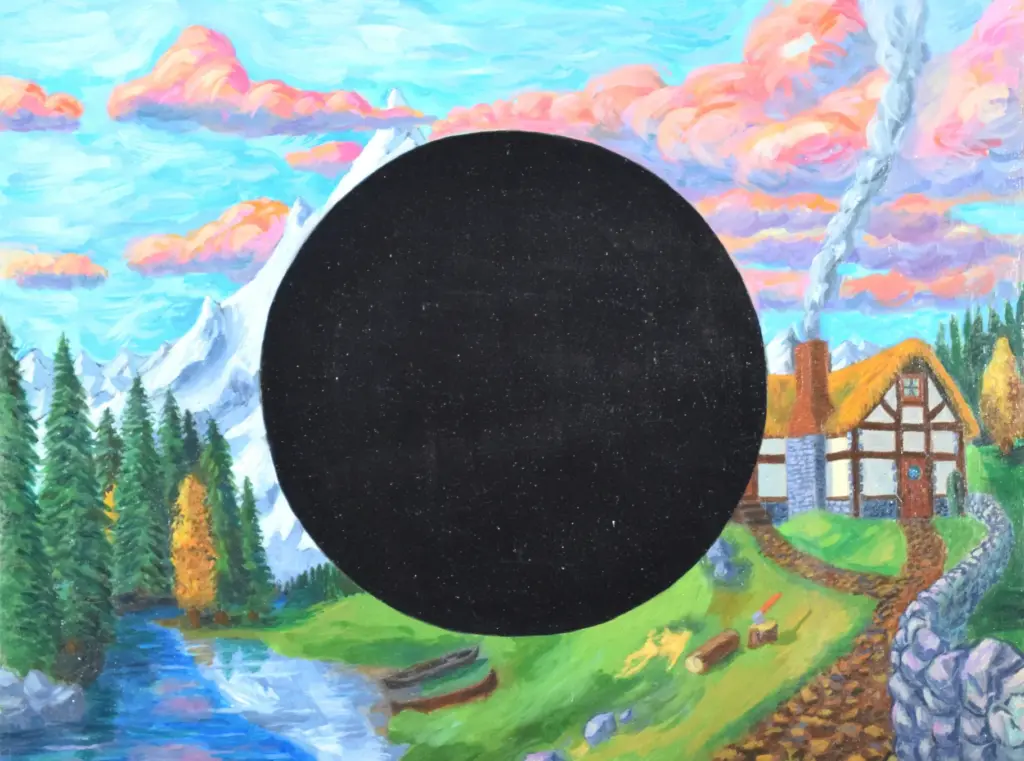
Figure 1: Avoid (2016) by Martin Cohen. Note. From Removing social stigma, one artwork at a time: A spotlight on artists living with mental illness (Artsy, 2016), https://www.artsy.net/article/artsy-removing-social-stigma-one-artwork-at-a-spotlight-on-artists-living-with-mental-illness
Anthropology, psychology, and psychiatry have long been in conversation together, sometimes as allied disciplines in power like colonial projects in the twentieth century, sometimes on opposing sides, like research born from Foucauldian questions about the role of psychiatry in disciplining populations or the doctor-patient couple. Anthropology by itself, or as a whole, does not take an anti- or pro-psychiatry stance, instead paying ethnographic attention to the subjects it looks at and their complicated relationships with psy-sciences (generally referring to psychiatry, psychology, psychoanalysis, and psychotherapy).
In this paper, I propose that the psy-sciences would find a worthwhile interlocutor in Mad Studies, in conversations that could be facilitated by anthropology. In general, psy-sciences would benefit from listening to the feedback and concerns from the people it looks to treat, especially those who are critical of it. Here, I draw particular attention to psychiatry and Mad Studies as intellectual disciplines with different epistemologies, which may be read contrapuntally to each other, through ethnographic attention and an anthropological lens.
This conversation and collaboration seeks to unravel and undo the epistemic injustice of sanism (LeBlanc & Kinsella 2016, p. 59) and bear fruit for theory and practice. It allows people with lived experience and users of mental health services be able to talk back to the service providers, as well as question and critique medicalized ideas of mental ‘health’. Through Mad Studies, the conversation would also expand to include racialized, gendered, queer, indigenous, and disabled voices as subjects of psychiatric practice and psychopathology. For the rest of this short piece, I will use ‘psychiatry’ to refer to the discipline of medicalizing emotional and cognitive distress or difference, as I will be mostly referring to the treatment alluded to by my interlocutors.
Interdisciplinarity within Mad Studies has been the norm, including psychiatry. Psychiatry as a discipline, however, enjoys and employs a notion of objectivity and medicalization, which allow it to disqualify, disregard, or steamroll over experiences that question its methods or objectives. Ethnographic attention to these experiences, experiences of service users in general, and experiences of those outside the purview or reach of psychiatric institutions brings forth studies of difference- difference that should be stayed with, rather than dismissed as madness. This difference demands an interdisciplinary analysis, where objectivity is set aside to make way for complexity. I write this piece with this question in my mind: what may be brought forth and made explicit through this conversation between anthropology, psychiatry and Mad Studies, that is otherwise implied or obscured?
For my research in psychological anthropology on the role of food and embodied matter in mental health and distress, I collaborated with an organisation in Amsterdam that sought to collectively read and think about distress from the framework of Mad Studies. I co-facilitated, with a more experienced member of the group, a reading group on food and madness. We read without a definition of madness, choosing to understand what madness is through our reading, opinions and experiences. Our focus on madness was outward-gazing and political.
Sarah Pinto writes about the proliferation of “madness” in theory since the 1980s, “An effort to trace this literature as an “anthropology of madness” is vexed by the fact that there is, in a sense, no such thing. Madness is less an object of study for anthropology than a way of framing a conversation about diverse but connected things” (2020, p. 300). It is this ability of anthropology to frame a conversation that I used to bring together work, food, consumption, and subject-formation through my fieldwork, and this ability that I call upon now to act as mediator and narrator for a conversation between psychiatry and Mad Studies.
In my work, the ground on which this conversation was happening was subjectivity and moral transformation. I did not set out to include psychiatry in my work, in fact, I did not interview a single psychiatric professional, rather my focus was wholly on psychiatrized individuals. Moral logics of psychiatry were brought into my work through those who felt the effects of it reverberate throughout their life (and diets). My interview guide focused on food and eating, rather than the experience of madness. By talking about embodied experiences of eating and analysing them through the framework of Mad Studies, new and parochial ideas of ‘normality’, ‘health’ and ‘reality’ were created. I wrote these up in my thesis, proposing a way of understanding Mad subjectivities in my field around these concepts or points of high relevance. This localized idea of madness highly contrasts medicalized ideas of mental illness, though they were very much in conversation with it, and redefined ‘health’ and ‘normality’, still legible and legitimate as categories, through their experiences as subjects of psychiatry.
Taking my interlocutors as epistemic experts and valuing lived experience as a way of knowing, I uncovered that what may be implied by ‘healthy’ or ‘normal’ in my field was significantly different from what they had been told was healthy or normal by psychiatric professionals, family, colleagues and members of their communities. The reading group I helped organize read a selection of texts I co-curated, often anthropological texts. I was framing the conversations and interviews I was going to have, and specifically paying attention to my contribution in doing that, and to the contributions of other ideas and disciplines that were given value or dismissed by my interlocutors. Through discourse analysis, as well as looking at embodied practices of eating, reading, and discussing, I brought psychiatry, anthropology and Mad Studies into conversation.
I’d be very curious to know what other kinds of conversations, ideas, and practices could be opened up by facilitating a conversation between psychiatry and Mad Studies. I suspect it would enrich and thicken theory and practice, challenging settled epistemic expertise, questioning moral logics, focus on structural and systemic inequalities, and disturb the binary of mad/sane.
References
Artsy. (2016, May 19). Removing social stigma, one artwork at a time: A spotlight on artists living with mental illness. https://www.artsy.net/article/artsy-removing-social-stigma-one-artwork-at-a-spotlight-on-artists-living-with-mental-illness
LeBlanc, S., & Kinsella, E. A. (2016). Toward epistemic justice: A critically reflexive examination of “sanism” and implications for knowledge generation. Studies in Social Justice, 10(1), 59–78.
Pinto, S. (2020). Madness: Recursive ethnography and the critical uses of psychopathology. Annual Review of Anthropology, 49, 299–316. https://doi.org/10.1146/annurev-anthro-010220-074609
Author Bio:
Anjani Gupta (he/they) graduated with an MSc in Cultural Anthropology from the University of Amsterdam, and is currently a researcher in the Netherlands. He is interested in looking at embodiment, subjectivity, and affect, especially through the lens of madness and disability.
Leave a Reply